
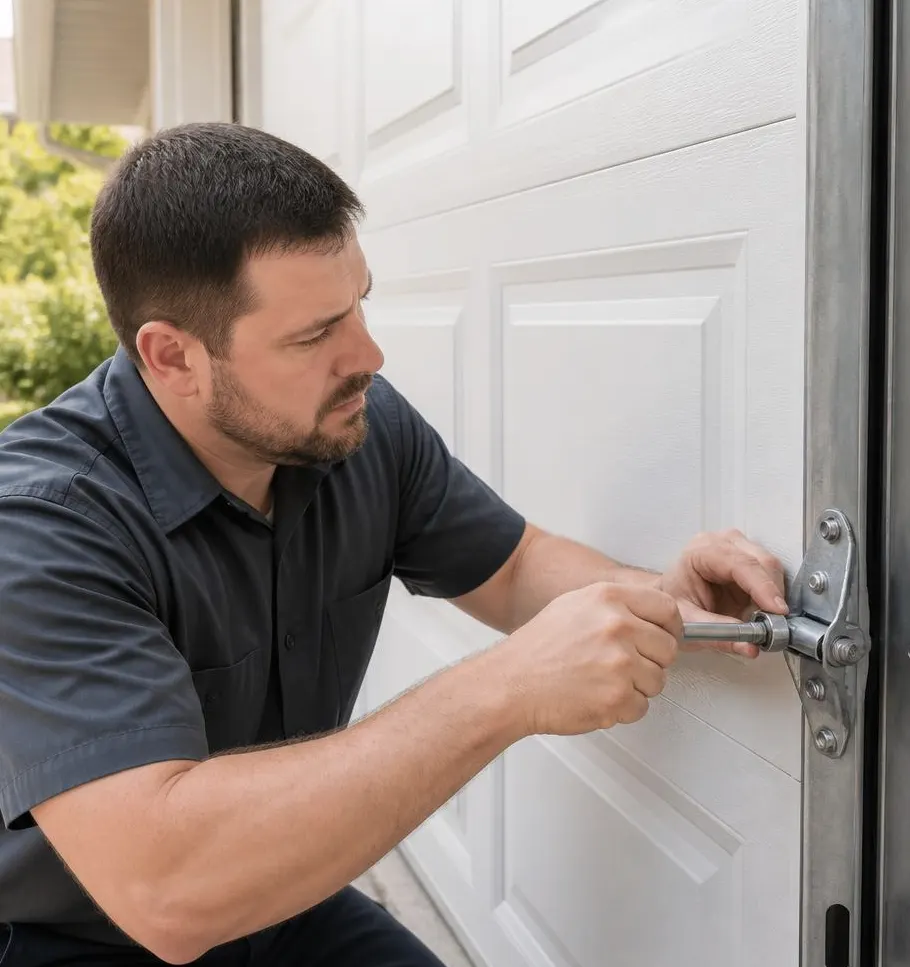
The Mistake: Assuming One Bad Panel Means a Quick, Cheap Fix
A tree limb comes down in an afternoon storm, a trailer backs in too fast, or a baseball finds the garage door instead of the mitt. One panel is dented, cracked, or punched through, and the rest of the door looks fine. The obvious move seems to be ordering a replacement panel and swapping it in over a weekend.
It's a tempting shortcut because it feels cheap and fast, and in some cases it genuinely is the right call. But garage doors in this part of Florida take a beating from humidity, salt air, and wind-driven storms, and that constant exposure changes the math. A panel that looks like an isolated problem is sometimes a symptom of a door that's already wearing out everywhere else, just not as visibly.
Single Panel Replacement: What You're Actually Getting
Advantages
- Lower upfront cost if the panel is still manufactured and in stock.
- Faster turnaround — often a single visit instead of a full-day installation.
- No disruption to opener settings, track alignment, or existing hardware that's working fine.
Drawbacks
- Color and texture mismatch. Sun exposure fades steel and fiberglass panels unevenly over a few years, so a brand-new panel next to older ones can look noticeably different even in the same finish.
- Availability gaps. If the door is more than 8–10 years old or from a discontinued line, finding a matching panel can be difficult or impossible.
- It doesn't fix hidden wear. Rust at hinge points and swelling at the bottom panel — both common here thanks to humidity and standing water after heavy rain — often show up on panels that weren't damaged in the original incident. Replacing just the broken one leaves those issues untouched.
- Weight and balance. Springs are calibrated to the total weight of the door. A mismatched or slightly different panel can throw off that balance, leading to a door that struggles to open smoothly or wears the opener faster.
Full Door Replacement: What You're Actually Getting
Advantages
- Consistent materials and insulation across every panel, which matters for keeping moisture and humidity swings from warping the door over time.
- Current wind-load ratings. Hurricane season here means garage doors face real pressure testing from wind, and older doors may not meet the wind-load standards that newer models are built to. Replacing the whole door is the only way to actually upgrade that protection.
- Fresh hardware and warranty on the whole unit, not just a patch.
- Better long-term value if the existing door already shows rust, sagging, or multiple small issues beyond the one obvious dent.
Drawbacks
- Higher upfront cost — full door replacement typically runs in the $1,000–$4,000+ range nationally depending on material and size, compared to a few hundred dollars for a single panel.
- More labor time, usually most of a day including removal, installation, and balance adjustment.
How to Decide for a Typical Home Here
Before committing either way, walk through these checks:
- Find the age and model. Check the manufacturer sticker, usually on the inside edge of a panel. Doors under 5 years old with common models are the best candidates for a single-panel swap.
- Inspect every panel, not just the damaged one. Look for rust blooming around hinge screws, bubbling paint, or a bottom panel that looks swollen or doesn't sit flush — all signs of moisture intrusion that panel replacement won't solve.
- Test the door's balance. Disconnect the opener and lift the door halfway by hand. If it doesn't hold its position, the springs or overall structure may already be struggling, which points toward replacement rather than a patch.
- Ask about wind-load rating. If your door predates current wind-load standards and you're due for storm prep anyway, replacing the whole unit solves two problems at once instead of just the cosmetic one.
- Check panel availability before you commit. If a matching panel isn't readily available, a full replacement often ends up being the faster option, not just the more durable one.
For most homes in the area, the practical rule is this: if the door is relatively new, the damage is isolated, and the rest of the panels are clean and solid, a single panel replacement is a reasonable, budget-friendly fix. If the door is older, already shows rust or swelling, or you've been meaning to address wind-load concerns before the next storm season, replacing the whole door is the better long-term investment rather than paying twice.
When to Call Hampton Garage Door Pro
If you're not sure which side of that line your door falls on, that's exactly the kind of call we make on-site. We'll inspect all the panels, check the balance and spring tension, and tell you honestly whether a panel swap will hold up or whether Garage Door Installation & Replacement is the smarter move given the door's age and condition. If the door itself is sound but due for seasonal wear and tear, our Garage Door Maintenance & Tune-Up service can catch rust and hinge issues early, before they turn into a bigger repair after the next round of storms.
If you've got a dented panel, a door that's sticking, or you just want a second opinion before hurricane season ramps up, give Hampton Garage Door Pro a call. We serve Hampton, Starke, Keystone Heights, Waldo, Melrose, Lawtey, Brooker, and Earleton, and we'll give you a straight answer about what your door actually needs.